
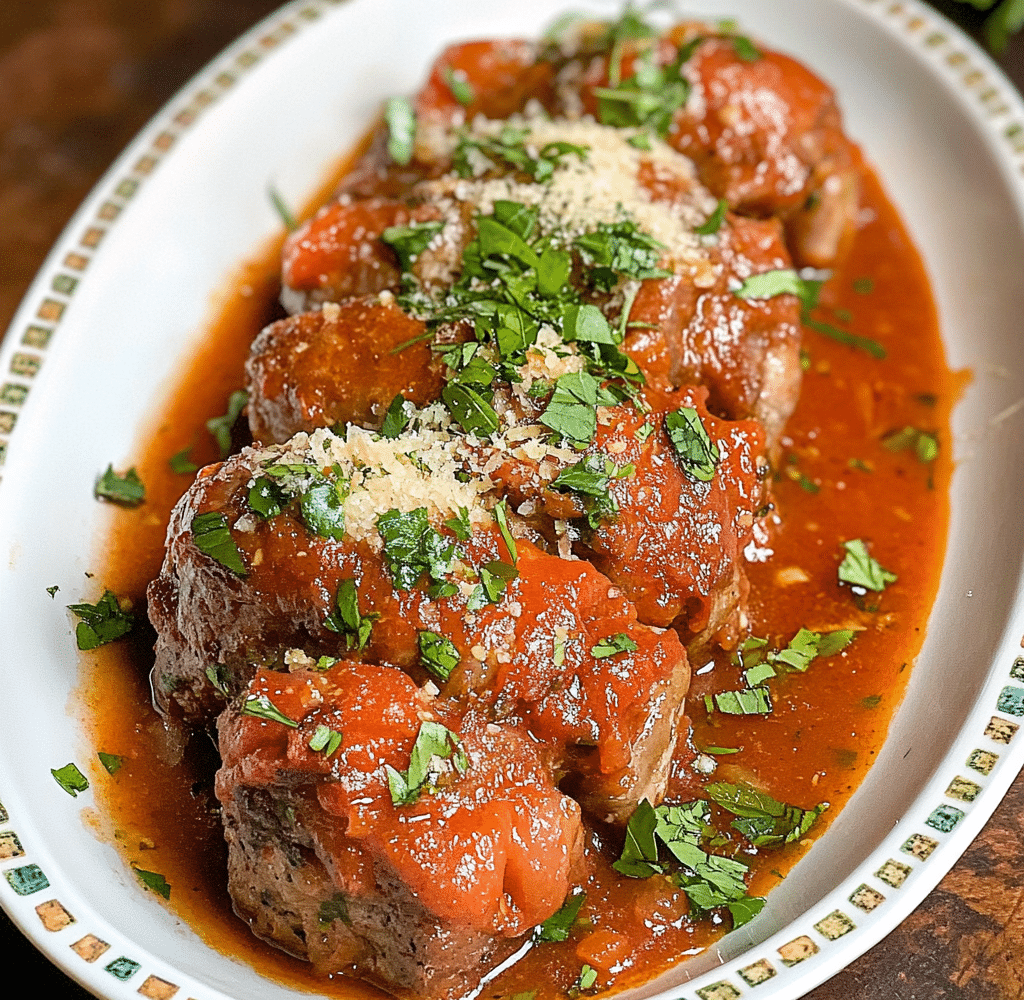
heart of Sunday dinners, where families come together. They enjoy slow-cooked beef rolls filled with amazing flavors and rich history.
This dish is more than a recipe; it’s a celebration of Italian cooking traditions. Each tender slice shares a family story, rolled and simmered in a hearty tomato sauce. This sauce brings comfort and joy.
In both home kitchens and famous restaurants, beef braciole captures the spirit of Italian-American dining. It shows how simple ingredients can become something truly special.
Key Takeaways
- Beef braciole is a classic Italian-American Sunday dinner staple
- The dish requires slow braising to achieve maximum tenderness
- Authentic recipes typically include cheese, herbs, and prosciutto
- Preparation time ranges from 1-2 hours with additional cooking time
- Serves approximately 6 people per recipe
Understanding Italian Beef Braciole
Braciole is a beloved part of Italian cuisine history. It shows the rich traditions passed down through generations. This dish, made from rolled beef, tells a story of family, flavor, and heritage.

Origins and Cultural Significance
The history of braciole starts in Southern Italy. Home cooks turned simple beef into amazing meals. Braciole traditions show Italian creativity, turning simple ingredients into special dishes for family gatherings.
“Braciole is more than a recipe—it’s a connection to our ancestors and their remarkable ability to create magic in the kitchen.”
Traditional Preparation Methods
Here’s how to make classic braciole:
- Thinly pound beef to make it tender
- Make fillings with breadcrumbs, herbs, and cheese
- Roll and tie the meat with twine
- Cook it slowly in tomato sauce
Regional Variations
Italy’s different regions have their own braciole styles. Some include:
- Sicilian braciole with raisins and pine nuts
- Northern Italian versions with local cheeses
- Coastal regions with seafood
These variations show the amazing diversity in Italian cuisine. They prove how one dish can have many stories.
Essential Ingredients for Authentic Braciole
Making an authentic Italian braciole needs the right ingredients. These ingredients bring strong flavors and the true Italian spirit to your dish. Start with top-quality meats and seasonings that make this classic recipe shine.
- Top round sirloin beef (2 pounds)
- Prosciutto (sliced thin)
- Italian breadcrumbs (2 cups)
- Fresh herbs like parsley and basil
- Premium cheeses: Parmigiano-Reggiano and Pecorino Romano
Italian seasonings are key to deep, complex flavors. A great mix includes:
- Dried oregano
- Fresh garlic (6 cloves)
- Red pepper flakes
- Fresh basil leaves
“The secret to exceptional braciole lies in the quality of your ingredients and the passion you bring to preparation.”
For a true sauce, San Marzano tomatoes are essential. These tomatoes from Italy’s volcanic regions add unmatched flavor. A good sauce uses 28 ounces of San Marzano tomatoes, extra virgin olive oil, diced onions, and special herbs.
Adding pine nuts and raisins can give your braciole filling a unique texture and sweetness. This makes your dish unforgettable, honoring traditional Italian cooking.
Selecting and Preparing the Perfect Cut of Beef
Making authentic Italian Beef Braciole starts with picking the right meat. You need to choose carefully to get tender and tasty results. This is key to traditional Italian cooking.
Best Cuts for Braciole
For braciole, some beef cuts are better than others. The top picks are:
- Top round (primary recommendation)
- Flank steak
- Bottom round
- Eye of round
- Sirloin
Proper Tenderizing Techniques
Tenderizing the meat is essential for a tender braciole. Here’s how to do it right:
- Freeze the meat for 45-60 minutes
- Use a meat slicer for even cuts
- Place meat in a zipper-top plastic bag
- Gently pound to achieve 1/4-inch thickness
“The key to perfect braciole is not just the cut, but how you prepare it.” – Italian Culinary Tradition
Thickness and Size Guidelines
| Cut Type | Ideal Thickness | Recommended Size |
|---|---|---|
| Top Round | 1/4 inch | 4-6 oz slice |
| Flank Steak | 1/4 inch | 5-7 oz slice |
| Bottom Round | 1/4 inch | 4-5 oz slice |
Pro tip: Some grocery stores label suitable cuts as “Milanesa,” which are perfect for braciole preparation.
The Art of Braciole Filling
Making the perfect braciole stuffing is like creating a work of art. It turns simple beef into a dish that’s truly special. The breadcrumb mixture is the heart of this Italian classic. It combines rich flavors and textures that make the whole dish shine.
A classic braciole stuffing has a few key parts:
- Fresh breadcrumbs toasted in olive oil
- A robust cheese blend featuring Pecorino Romano
- Finely chopped Italian herbs like parsley and basil
- Minced garlic for depth of flavor
“The secret to an exceptional braciole lies in the careful balance of its filling ingredients.” – Italian Cooking Tradition
Each region has its own twist on the braciole stuffing. Some add pine nuts for crunch, while others include raisins or currants for sweetness. The cheese blend often includes Pecorino Romano. This sharp, salty cheese pairs perfectly with the beef.
When making the stuffing, toasting breadcrumbs in olive oil with garlic is key. This step makes the breadcrumb mixture light and crisp. It’s important for the stuffing to stay this way when rolled inside the beef.
| Ingredient | Quantity | Purpose |
|---|---|---|
| Breadcrumbs | 1 cup | Base of stuffing |
| Pecorino Romano | 1/2 cup | Adds saltiness |
| Fresh Herbs | 2 tbsp | Provides aromatic flavor |
Pro tip: Leave a small border around the beef when spreading the stuffing to prevent spillage during rolling.
Step-by-Step Rolling and Securing Techniques
Learning how to roll braciole is an art that turns simple beef into a culinary masterpiece. It needs precision, patience, and knowing how to prepare meat right.
Professional chefs say that rolling meat well is all about paying attention to details. Securing meat rolls is key to keeping your dish perfect from start to finish.
Traditional Rolling Methods
Here are the key steps for rolling braciole:
- Pound beef slices to an even thickness
- Spread filling evenly across the meat
- Roll tightly from one end to the other
- Tuck in sides to prevent filling from escaping
Securing with Kitchen Twine
Kitchen twine is the best way to keep your braciole together while it cooks. Here’s how to secure your rolls:
| Method | Pros | Cons |
|---|---|---|
| Kitchen Twine | Secure, even pressure | Requires more skill |
| Toothpicks | Easy to use | Less consistent pressure |
Common Rolling Mistakes to Avoid
Avoid these common mistakes to make your braciole better:
- Overfilling the meat
- Rolling too loosely
- Not trimming excess filling
- Inconsistent meat thickness
“The secret to perfect braciole is in the roll – tight enough to hold, gentle enough to preserve texture.”
By mastering these techniques, home cooks can make their braciole go from simple to spectacular. This creates a dish that wows both family and guests.
Creating the Perfect Braising Sauce
Making a great braising liquid for Beef Braciole turns a good meal into a masterpiece. The base of a true tomato-based sauce starts with the right ingredients. These ingredients add layers of rich flavor.
For a top-notch braising sauce, you need:
- Extra virgin olive oil for sautéing
- Fresh garlic and onions
- High-quality red wine for reduction
- San Marzano crushed tomatoes
- Italian herbs for depth
The wine reduction is key for deep flavors. Chefs suggest using a strong red wine like Chianti or Cabernet Sauvignon. This wine makes the sauce’s base rich and complex.
“A great sauce is the soul of Italian cooking” – Mario Batali
Let the tomato-based sauce simmer slowly. This lets the Italian herbs add their aroma. A secret tip is to add a Parmigiano-Reggiano cheese rind. It makes the sauce richer and deeper.
Sauce Preparation Techniques
- Sauté aromatics in olive oil
- Deglaze pan with red wine
- Add crushed tomatoes
- Season with Italian herbs
- Simmer for 45-60 minutes
The perfect braising sauce should cover the beef braciole smoothly. It should blend with the meat perfectly, showing off the best of Italian cooking.
Cooking Methods and Timing
Learning how to braise is key to making tender, flavorful Italian Beef Braciole. The cooking method you pick can really change the meat’s texture and how good the dish tastes.
Slow cooking turns tough meat into delicious dishes. The secret to great oven braising is knowing how to control temperature and timing.
Stovetop Braising Method
Stovetop braising needs careful heat and moisture control. For the best meat tenderness, follow these tips:
- Use low, consistent heat
- Maintain a gentle simmer
- Cook for about 1.5 hours
- Keep the lid slightly ajar to prevent too much liquid loss
Oven Braising Guidelines
Oven braising gives even heat for top-notch results. Professional chefs suggest this method:
| Temperature | Cooking Time | Meat Texture |
|---|---|---|
| 325°F | 1.5 to 2 hours | Fork-tender |
Temperature and Timing Control
Getting the temperature just right is crucial for perfect braciole. A digital meat thermometer helps cook evenly and makes the meat tender.
“Low and slow is the golden rule of braising” – Italian Culinary Experts
For the best results, use a tight-fitting lid. Also, add a layer of parchment paper to keep moisture in during slow cooking.
Serving Suggestions and Pairings
To make your Italian side dishes shine, think about how to serve beef braciole. This classic dish needs the right sides to match its rich taste.
Choosing the right pasta is key for an authentic Italian meal. Try serving braciole with:
- Spaghetti and a light marinara sauce
- Rigatoni and fresh herbs
- Creamy polenta
- Smooth mashed potatoes
Wine pairing is also important. Pick full-bodied red wines that match the beef’s bold flavor:
- Cabernet Sauvignon
- Chianti
- Pinot Noir
- Merlot
*”The right wine transforms a good meal into an extraordinary culinary experience.”*
Pair your braciole with simple sides to balance its flavor. A crisp green salad or roasted veggies work well. And don’t forget Italian bread to soak up the sauce.
Top your dish with fresh parsley and more Romano cheese. It makes the dish look great and adds flavor.
Conclusion
Beef Braciole is more than just a meal; it’s a cherished tradition in Italian-American cuisine. It brings families together. This classic dish turns simple ingredients into a culinary masterpiece.
The art of preparing Braciole is a celebration of cultural heritage. Families have long made it a centerpiece for special dinners. Each household adds its own twist to the recipe.
Mastering Braciole takes patience and practice, but it’s worth it. From pounding the meat to making a flavorful filling, each step tells a story. The final dish is tender, aromatic, and full of flavor.
As home cooks continue to make and reinvent Beef Braciole, it remains a beloved tradition. It’s a reminder of family gatherings and a delicious tribute to traditional cuisine.
FAQ
What is Beef Braciole?
Beef Braciole is a classic Italian-American dish. It’s made with thin beef slices rolled around a mix of breadcrumbs, cheese, garlic, and herbs. The beef is then cooked in a rich tomato sauce, making it a favorite for family meals.
What cuts of beef work best for Braciole?
Top round is the best cut for Braciole. You can also use bottom round, eye of round, flank steak, or sirloin. Slice the beef thinly and pound it to 1/4-inch for easy rolling. Some stores call this cut “Milanesa”.
What ingredients are typically used in the Braciole filling?
The filling usually has Italian breadcrumbs, grated cheese, minced garlic, and chopped parsley. Some recipes add pine nuts, raisins, currants, and thyme. The breadcrumbs are toasted in olive oil with garlic for extra taste.
What are the different cooking methods for Beef Braciole?
You can cook Braciole on the stovetop, in the oven, or in a slow cooker. Stovetop cooking takes about 1.5 hours, oven braising 1.5 to 2 hours, and slow cooker 3-4 hours on high or 7-8 hours on low. Low, slow cooking makes the meat tender.
How should Beef Braciole be served?
Serve Braciole over pasta like spaghetti or rigatoni. It also goes well with polenta or mashed potatoes. Top with fresh parsley and more grated cheese. Serve with Italian bread to soak up the sauce. A side salad with vinaigrette adds a nice touch.
What wine pairs well with Beef Braciole?
Choose a full-bodied red like Cabernet Sauvignon, or lighter options like Pinot Noir or Merlot. The wine should match the rich flavors of the beef and tomato sauce.
Are there regional variations of Braciole?
Yes, different regions have their own Braciole recipes. They might include raisins, pine nuts, or spinach in the filling. Each region has its own twist, like braciola, involtini, or bruciuluni in Sicily.
How do I prevent the filling from leaking while rolling?
Roll the beef tightly but not too tight. Leave some space around the edges and secure with twine or toothpicks. Avoid overfilling to prevent leakage during cooking.