
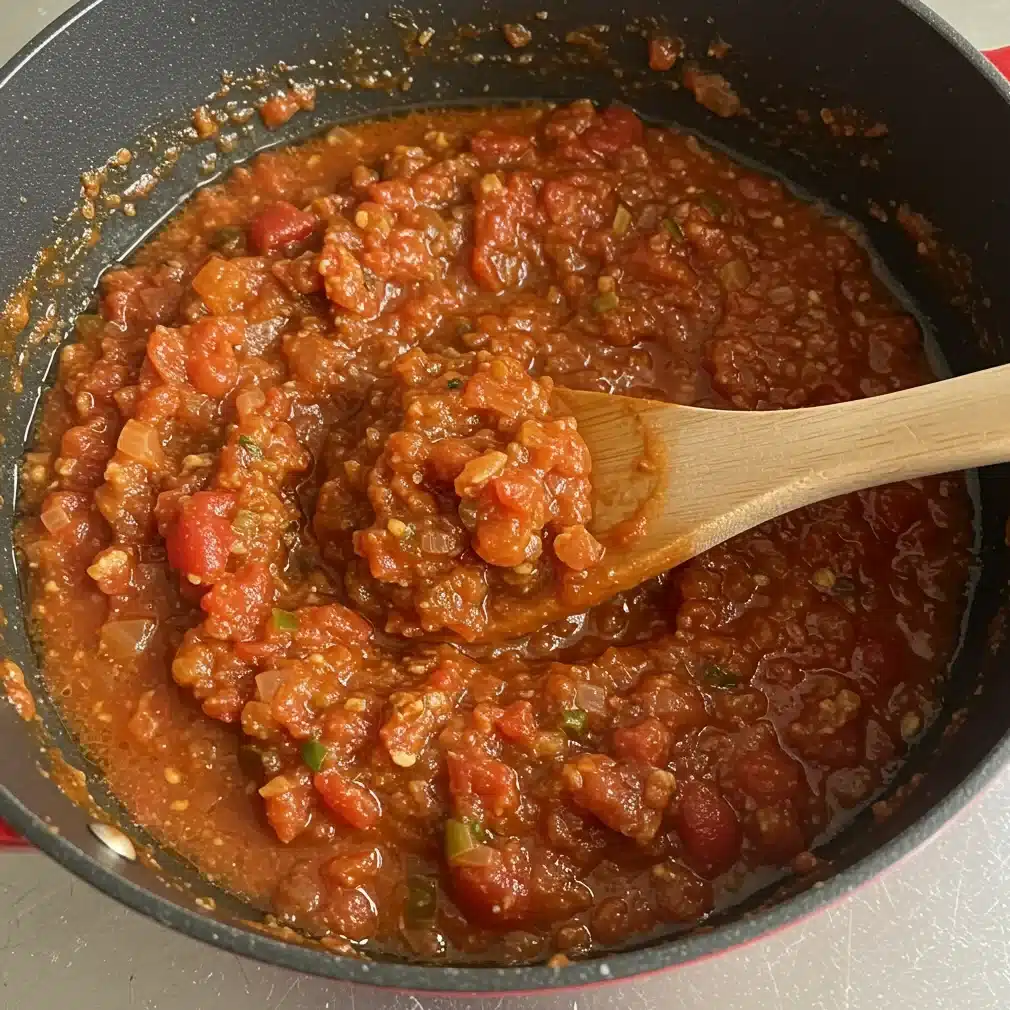
Few dishes bring as much comfort as a big bowl of spaghetti topped with rich, savory homemade sauce. While store-bought jars might seem convenient, nothing compares to the depth of flavor you can achieve when making spaghetti sauce from scratch. Fresh ingredients, slow simmering, and a little love turn a simple recipe into a hearty meal the whole family will crave. This homemade spaghetti sauce is versatile, budget-friendly, and perfect for everything from weeknight dinners to Sunday family feasts. Whether you’re a seasoned cook or just starting out in the kitchen, this guide will help you create the best spaghetti sauce you’ve ever tasted.
Why You’ll Love This Recipe
There are countless reasons to make your own spaghetti sauce at home instead of reaching for a jar. First, you have complete control over the ingredients—no hidden preservatives, excessive sugar, or unnecessary fillers. Second, the flavor is customizable; you can adjust the seasoning, spice level, or even the texture depending on your preferences. Third, homemade sauce often tastes fresher and more robust because it’s simmered with love and patience.
Think of it as building a masterpiece: the sautéed onions and garlic form the foundation, crushed tomatoes create the canvas, and herbs like basil and oregano add beautiful finishing touches. Once you make this sauce, you’ll notice how much better your spaghetti tastes compared to using a pre-made version. Plus, it’s freezer-friendly, meaning you can always have a delicious, homemade option on hand.
Ingredients
(Tip: You’ll find the full list of ingredients and measurements in the recipe card below.)
The beauty of homemade spaghetti sauce lies in its simplicity. You don’t need fancy or hard-to-find ingredients—just a few pantry staples and fresh herbs can transform your meal.
-
Olive oil – For sautéing and adding depth of flavor.
-
Onion – Yellow or white, finely chopped.
-
Garlic – Freshly minced for that unmistakable aroma.
-
Ground beef or Italian sausage (optional) – For a heartier, meat-based sauce.
-
Crushed tomatoes – The star of the sauce.
-
Tomato paste – Adds richness and thickens the sauce.
-
Water or broth – Helps achieve the perfect consistency.
-
Sugar – Just a pinch to balance acidity.
-
Fresh or dried herbs – Basil, oregano, thyme, and bay leaf are classics.
-
Red pepper flakes – For a touch of heat (optional).
-
Salt and black pepper – To season to perfection.
These ingredients combine to create a sauce that’s rich, aromatic, and well-balanced, ready to coat your pasta beautifully.
Directions
Making homemade spaghetti sauce is a simple yet rewarding process. Follow these easy steps for a sauce that will impress anyone at the dinner table:
-
Sauté the aromatics – Heat olive oil in a large pot. Add chopped onions and cook until translucent. Stir in garlic and cook until fragrant.
-
Add the protein (if using) – Brown ground beef or sausage until fully cooked, breaking it up with a spoon. Drain excess fat if necessary.
-
Incorporate tomatoes – Stir in crushed tomatoes, tomato paste, and a splash of water or broth. Mix until smooth.
-
Season generously – Add herbs, salt, pepper, and a pinch of sugar. If you like spice, toss in some red pepper flakes.
-
Simmer patiently – Bring the sauce to a gentle boil, then lower the heat and let it simmer for at least 30 minutes (longer if possible). The longer it cooks, the richer the flavor becomes.
-
Adjust to taste – Taste the sauce before serving and tweak seasonings as needed.
In less than an hour, you’ll have a homemade sauce bursting with flavor, ready to ladle over spaghetti, lasagna, or even used as a dipping sauce for garlic bread.
Servings and Pairing
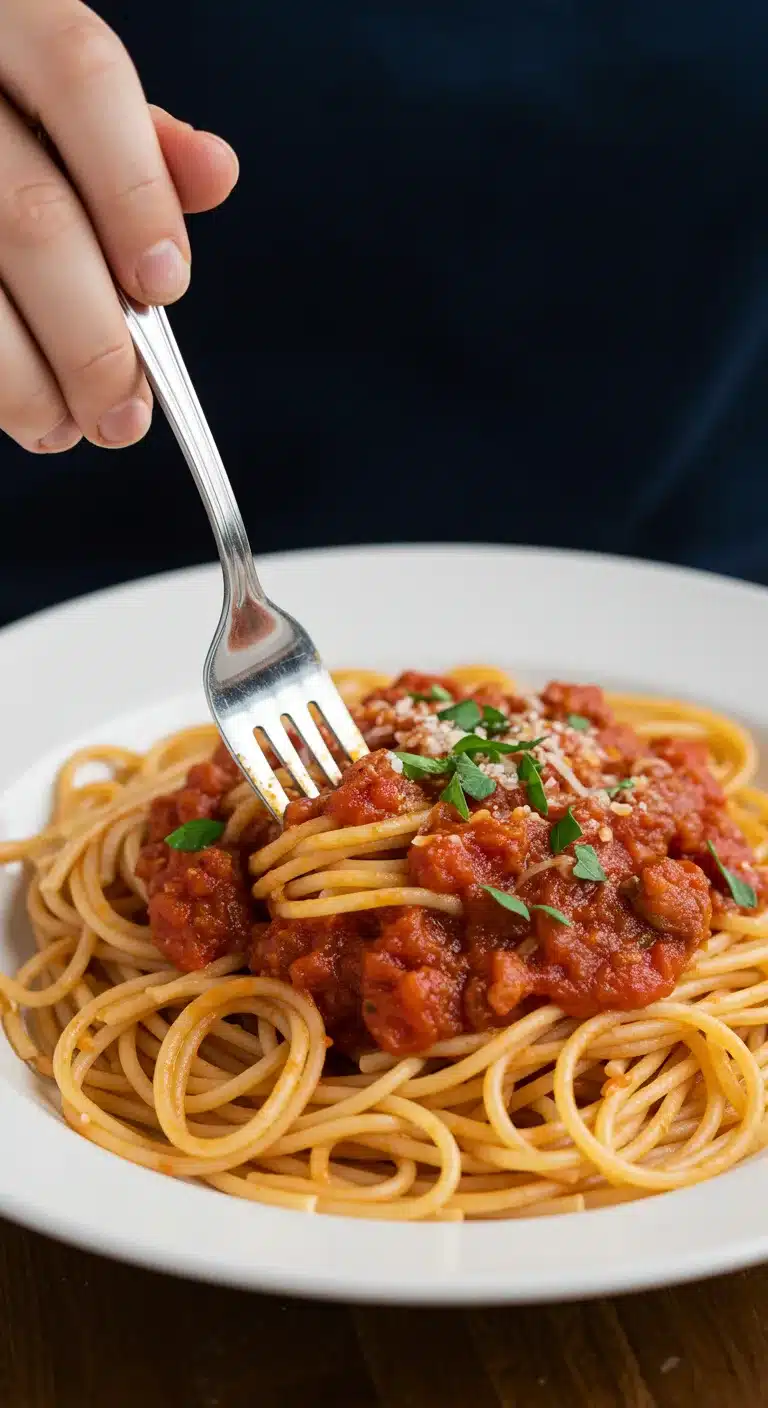
This recipe makes enough sauce to serve about 6–8 people, depending on portion sizes. One of the best things about homemade spaghetti sauce is how versatile it is when it comes to pairing. Of course, the classic pairing is with spaghetti or any pasta shape—penne, rigatoni, or fettuccine all work wonderfully.
To elevate your meal, consider adding:
-
Garlic bread – Crispy, buttery slices to soak up every drop of sauce.
-
Fresh salad – A simple green salad with a light vinaigrette balances the richness of the sauce.
-
Grated Parmesan cheese – Adds a nutty, salty finish.
-
Red wine – A medium-bodied red, such as Chianti or Merlot, complements the tomato base beautifully.
This sauce isn’t limited to spaghetti either. Use it for baked ziti, stuffed shells, or even as a topping for meatball subs. Its versatility makes it a kitchen essential.
Variations
One of the greatest strengths of homemade spaghetti sauce is how easy it is to adapt. Here are some fun variations to try:
-
Vegetarian-friendly – Skip the meat and add more vegetables like zucchini, mushrooms, or bell peppers.
-
Spicy arrabbiata-style – Add extra garlic and a generous amount of red pepper flakes for heat.
-
Creamy tomato sauce – Stir in a splash of heavy cream or half-and-half toward the end for a silky finish.
-
Herb-forward – Use fresh basil, parsley, or rosemary for a more garden-fresh taste.
-
Slow-cooker method – Let everything simmer low and slow in a crockpot for 6–8 hours for maximum flavor.
Each variation gives you a new way to enjoy spaghetti night without ever getting bored.
Storage/Reheating
Homemade spaghetti sauce stores beautifully, making it ideal for meal prepping. Allow the sauce to cool completely before transferring it to airtight containers. It will last:
-
In the refrigerator: Up to 5 days.
-
In the freezer: Up to 3 months. Freeze in portions for easy thawing.
To reheat, place the sauce in a pot over medium heat, stirring occasionally until warmed through. If reheating from frozen, let it thaw overnight in the fridge or warm it directly on low heat with a splash of water or broth to loosen the consistency.
FAQs
1. Can I make this sauce ahead of time?
Yes! In fact, spaghetti sauce often tastes better the next day as the flavors have more time to blend.
2. Can I use fresh tomatoes instead of canned?
Absolutely. Blanch, peel, and crush fresh tomatoes for a fresher taste, though it may require longer cooking.
3. How do I thicken my sauce if it’s too watery?
Let it simmer uncovered to reduce, or add an extra spoonful of tomato paste.
4. What’s the best pasta shape for this sauce?
Spaghetti is classic, but chunky pastas like rigatoni hold onto the sauce beautifully.
5. Can I double the recipe?
Yes, this recipe scales easily. Just make sure your pot is large enough to handle the extra volume.
Conclusion
Homemade spaghetti sauce is the heart of countless comforting meals. It’s simple to make, endlessly customizable, and far superior to anything from a jar. With just a few pantry staples and fresh herbs, you can create a rich, flavorful sauce that pairs beautifully with pasta, bread, or even layered in baked dishes. The best part? You can make it ahead, freeze it, and always have a taste of homemade comfort waiting for you. So next time you’re craving Italian-inspired goodness, skip the jar and whip up this sauce—you’ll never look back.
Print
Homemade Spaghetti Sauce
- Total Time: 50 minutes
- Yield: 8 servings
- Diet: Vegetarian
Description
Rich, flavorful homemade spaghetti sauce made with simple ingredients. Perfect for pasta, lasagna, or meal prep. Easy, customizable, and freezer-friendly.
Ingredients
- 2 tbsp olive oil
- 1 medium onion, finely chopped
- 3 cloves garlic, minced
- 1 lb ground beef or Italian sausage (optional)
- 2 cans (28 oz) crushed tomatoes
- 2 tbsp tomato paste
- ½ cup water or broth
- 1 tsp sugar (optional, to balance acidity)
- 1 tsp dried oregano
- 1 tsp dried basil (or 2 tbsp fresh, chopped)
- ½ tsp dried thyme
- 1 bay leaf
- ½ tsp red pepper flakes (optional, for spice)
- Salt and black pepper, to taste
Instructions
- Heat olive oil in a large pot over medium heat. Add chopped onion and sauté until soft and translucent.
- Stir in garlic and cook for 1 minute until fragrant.
- Add ground beef or sausage (if using) and cook until browned. Drain excess fat.
- Stir in crushed tomatoes, tomato paste, and water or broth. Mix well.
- Season with sugar, oregano, basil, thyme, bay leaf, red pepper flakes, salt, and pepper.
- Bring sauce to a boil, then reduce heat and let it simmer uncovered for 30–45 minutes, stirring occasionally.
- Remove bay leaf, adjust seasonings to taste, and serve hot over pasta.
Notes
- For a smoother sauce, use an immersion blender after cooking.
- If too acidic, add a pinch more sugar or a splash of heavy cream.
- Double the recipe and freeze portions for quick weeknight meals.
- Use fresh herbs at the end of cooking for a brighter flavor.
- Prep Time: 10 minutes
- Cook Time: 40 minutes